

A DOT physical is one of the most important appointments a commercial driver makes all year.
Your license, your schedule, and your paycheck all depend on a short exam that confirms you’re healthy enough to operate a commercial vehicle safely. For many drivers, the exam feels stressful, but it doesn’t have to. With a little preparation and a clear understanding of what the medical examiner checks, you can walk in confident and ready.
This guide breaks down what the DOT physical includes, how to prepare, and what usually trips drivers up. Whether you’re a delivery driver, a local route operator, or a CDL holder, these tips can help you show up ready.
What Is a DOT Physical and Who Needs One?
A DOT physical is a federally required medical exam that evaluates whether a commercial driver is healthy enough to operate a commercial motor vehicle safely. It must be performed by a medical examiner listed on the FMCSA National Registry, and it typically includes vitals, vision, hearing, a urine test, and a full health history review.
Not every delivery driver needs a DOT physical. Requirements depend on the vehicle’s weight, cargo, and route. Drivers operating vehicles over certain weight thresholds or transporting specific materials fall under FMCSA rules. If you’re unsure, check the FMCSA guidelines or ask your employer.
The exam is designed to protect both drivers and the public. It’s not about perfection. It’s about making sure you can safely handle long hours, heavy vehicles, and unpredictable road conditions.
What Do They Check at a DOT Physical?
A DOT physical covers several core areas. Each one is straightforward, and none require special equipment or training on your part. Here’s what the medical examiner checks:
- Vitals & Blood Pressure: Ensures your cardiovascular system can handle long driving hours.
- Vision: Checks distance vision, peripheral vision, and color recognition.
- Hearing: Confirms you can hear instructions, horns, and road signals clearly.
- Urine Test: Screens for underlying medical conditions such as diabetes, not drugs.
- Health History Review: Covers past surgeries, medications, chronic conditions, and symptoms.
- Physical Exam: A head-to-toe evaluation of mobility, breathing, heart function, and general health.
Each part of the exam is designed to confirm safe driving capability, not to judge your fitness level or lifestyle. Blood pressure and heart health are a big part of the picture, so our guide to heart screenings for men in Addison is a useful companion read.
How Do You Prepare for a DOT Physical?
Preparation doesn’t need to be complicated. A few simple steps can make the exam smoother and help avoid unnecessary delays.
- Bring your medication list and any records for ongoing conditions. This helps the examiner understand your health history and confirm that your conditions are well-managed.
- Bring glasses, contacts, or hearing aids if you use them. If you rely on them for daily driving, you’ll need them for the exam.
- Take regular medications as prescribed unless your doctor says otherwise. Skipping blood pressure or diabetes medications can cause abnormal readings.
- Avoid a heavy-salt, high-caffeine morning. Salt and caffeine can temporarily raise blood pressure, which is one of the most common stumbling blocks.
- Bring your current medical card and ID. This helps the clinic update your records and issue a new card quickly.
These small steps can make a big difference in how smoothly your exam goes.
What Trips Drivers Up, and What Can You Do About It?
Even experienced drivers can run into issues during a DOT physical. Here are the most common stumbling blocks, and what you can do ahead of time.
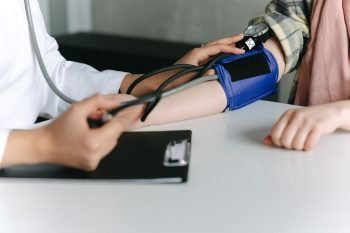
Blood Pressure
High blood pressure is a leading reason drivers get delayed or receive shorter medical cards. Start checking your blood pressure at home or at a pharmacy several weeks before your exam. Small changes in hydration, sleep, and medication consistency can help stabilize readings.
Blood Sugar
Elevated blood sugar can affect your certification. If you’ve noticed fatigue, increased thirst, or mid-day crashes, consider getting your blood sugar checked ahead of time. Understanding how meals affect your numbers can help you walk in prepared. Energy crashes and belly weight can also point to a bigger pattern, covered in our post on metabolic syndrome in men.

Sleep Apnea
Loud snoring, daytime sleepiness, or waking up unrefreshed can raise concerns. If you suspect sleep apnea, talk to your doctor early. Don’t have a doctor? Get a PCP here in Addison, IL. Untreated sleep apnea can affect your DOT clearance.

Vision
Forgetting your glasses or contacts is an easy mistake. Bring them, even if you “usually see fine.” DOT standards require specific visual clarity.

Medication Issues
Unreported medications or inconsistent use can complicate the exam. Bring a complete list and take your medications as directed.

None of these issues guarantee a failed exam. They simply require awareness and preparation. A yearly visit can catch them early, and our annual checkup checklist for busy professionals shows how to fit it all into one appointment.
Where Can Local Drivers Get a DOT Physical in Addison?
North Ave Immediate Care in Addison offers DOT physicals with walk-in convenience and same-week availability.
Drivers can expect a straightforward visit: check-in, vitals, vision and hearing tests, a urine screen, a health history review, and a physical exam. Most visits take under an hour, depending on how busy the clinic is.
📍 Location: 350 W North Ave, Addison, IL 60101, USA
📞 Phone: +1 (630) 940-9573
🌐 Maps: Get Directions
Bring your ID, medication list, glasses or hearing aids, and your current medical card if you have one. The clinic will guide you through each step and answer any questions about FMCSA requirements.
DOT Physical FAQ
How long is a DOT physical good for?
Most medical cards are valid for up to two years, depending on your health.
Can I take my regular medications that day?
Yes, unless your doctor has given specific instructions.
What if my blood pressure is high on exam day?
The examiner may recheck it after a rest period or discuss next steps.
Do I need a separate CDL physical?
No. A DOT physical covers CDL requirements.
Schedule Your DOT Physical
If you’re a local or delivery driver in Addison, staying ahead of your DOT physical keeps you on the road and earning. North Ave Immediate Care offers convenient visits, clear guidance, and FMCSA-aligned evaluations to help you stay compliant and confident.
This article is for general education and is not a substitute for medical advice. Talk with a licensed clinician about your own health and DOT requirements.
North Ave
Immediate Care
Expert Care Without the Wait
Whether you need urgent care, schedule a physical exam, find a new primary care physician, or simply need to visit a walk-in clinic, we’re here for you, Addison, IL.
Call or Message Us Today.

- DOT Physical: How Local and Delivery Drivers Can Show Up Ready to Pass – October 16, 2026
- How to Find the Best Doctor in Addison: Your Guide to Choosing the Right Physician – October 16, 2026
- Managing Seasonal Affective Disorder Through Northern Illinois Winters – October 5, 2026
Leave a Reply