
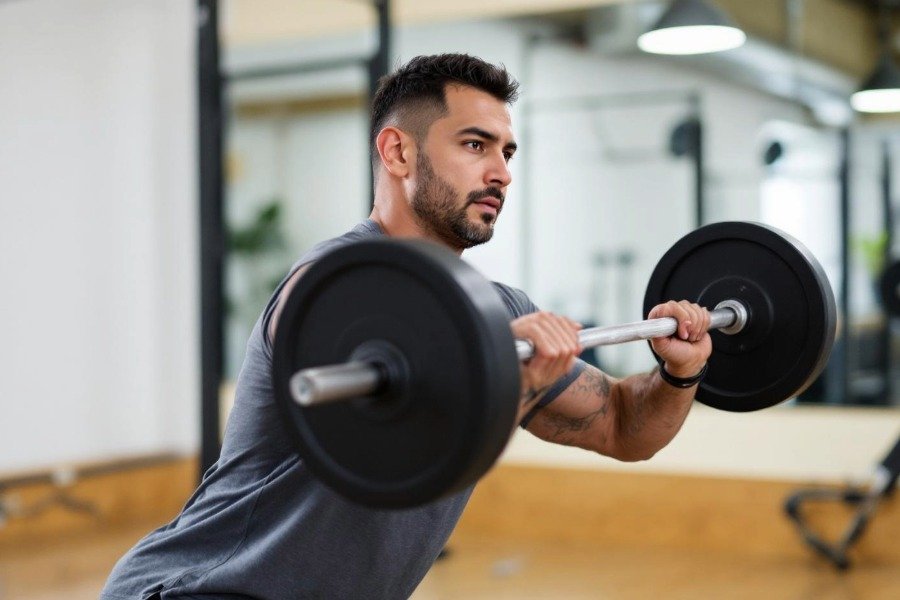
Fitness After 40: Evidence-Based Strategies for Strength and Health.
Science confirms you can reach peak fitness in your 40s. Learn evidence-based strategies for strength training, cardiovascular health, and mobility from medical experts.
Summary of this Article
Is it too late to get fit in your 40s? Medical research says no. Many people reach peak fitness during their fifth decade with proper training. This guide explores evidence-based strategies for strength training, cardiovascular health, and mobility—backed by peer-reviewed research and clinical guidelines. Getting fit after 40 is entirely possible with the right approach. Discover research-backed methods to build strength, improve metabolism, and enhance health.
Table of Contents
Challenging the Midlife Fitness Myth
The assumption that physical fitness inevitably declines after 40 is pervasive—but largely unfounded. Current medical literature demonstrates that chronological age alone is not a primary determinant of physical performance capacity. In fact, many individuals achieve their highest levels of strength, endurance, and overall fitness during their fifth decade of life (Tanaka & Seals, 2008).
The critical distinction lies not in age itself, but in the behavioral and physiological changes that often accompany aging: reduced physical activity, suboptimal nutrition, inadequate recovery, and the cumulative effects of sedentary lifestyles. When these modifiable factors are addressed through evidence-based interventions, adults in their 40s can not only maintain fitness but often surpass their earlier performance benchmarks (Hawkins et al., 2003).
This article examines the physiological realities of fitness after 40, reviews current research on training adaptations in middle-aged adults, and provides evidence-based recommendations for achieving sustainable, meaningful fitness improvements.
New research confirms what many fitness professionals already know: your 40s can be your fittest decade.
Key findings from recent studies:
1) Muscle protein synthesis remains robust with proper stimulus.
2) Bone mineral density can be maintained or improved with resistance training.
3) VO2 max decline is largely attributable to reduced activity, not age alone.
4) Metabolic adaptations respond well to strategic training protocols
Understanding Physiological Changes After 40
Sarcopenia and Age-Related Muscle Loss
Sarcopenia—the progressive loss of skeletal muscle mass and strength—begins as early as the third decade of life, with accelerated losses occurring after age 50 if left unaddressed (Cruz-Jentoft et al., 2019). The typical pattern involves:
- 0.5-1% annual muscle mass decline beginning around age 30
- Accelerated loss of 3-8% per decade after age 60
- Preferential atrophy of Type II (fast-twitch) muscle fibers, which are critical for power production and metabolic health
However, research consistently demonstrates that resistance training can halt and even reverse sarcopenia at any age (Peterson et al., 2010). A landmark study by Fiatarone et al. (1994) showed that previously sedentary adults aged 72-98 increased muscle strength by 113% and muscle mass by 11.4% after just 10 weeks of high-intensity resistance training—demonstrating that muscle protein synthesis capacity remains responsive to mechanical loading well into advanced age.
For individuals in their 40s, this capacity for adaptation is even more robust, making this decade an optimal time to establish strength training habits that will provide protective benefits for decades to come.
Finding it harder to stay fit in your 40s? We provide medical assistance with weight management.
Metabolic Changes and Body Composition
Resting metabolic rate (RMR) decreases approximately 1-2% per decade after age 30, primarily due to loss of metabolically active muscle tissue and alterations in thyroid and growth hormone secretion (Hunter et al., 2010). This metabolic decline contributes to:
- Increased adiposity (fat mass accumulation)
- Redistribution of fat to visceral compartments (associated with metabolic disease risk)
- Insulin resistance and impaired glucose metabolism
- Reduced total daily energy expenditure
Critical finding: The metabolic decline associated with aging is largely preventable through maintenance of muscle mass. Research by Westcott (2012) demonstrated that adults who engage in regular resistance training maintain RMR comparable to individuals 10-20 years younger. Furthermore, each pound of muscle gained increases RMR by approximately 6 calories per day—a modest individual effect that compounds significantly over time.
Bone Mineral Density and Skeletal Health
Peak bone mass is typically achieved in the late 20s to early 30s, after which bone mineral density (BMD) gradually declines. Women experience accelerated bone loss during and after menopause due to declining estrogen levels, while men experience more gradual but still clinically significant reductions (Weaver et al., 2016).
Bone is a dynamic tissue that responds to mechanical loading through a process called Wolff’s Law—bone remodels in response to the stresses placed upon it. High-impact and resistance training exercises create the mechanical stimulus necessary to:
- Maintain or increase BMD in weight-bearing bones
- Reduce fracture risk
- Improve balance and reduce fall risk (a primary cause of fractures in older adults)
A systematic review by Howe et al. (2011) found that progressive resistance training increased BMD at the lumbar spine and femoral neck in postmenopausal women—sites particularly vulnerable to osteoporotic fracture. For adults in their 40s, establishing these training patterns provides critical protection against the accelerated bone loss that occurs in subsequent decades.
Cardiovascular Function and VO2 Max
Maximal oxygen uptake (VO2 max)—the gold standard measure of cardiovascular fitness—declines approximately 10% per decade in sedentary adults after age 30 (Hawkins et al., 2003). This decline reflects:
- Reduced maximal heart rate (approximately 1 beat/minute per year)
- Decreased stroke volume and cardiac output
- Reduced arterial compliance and increased vascular stiffness
- Decreased mitochondrial density and oxidative enzyme capacity in skeletal muscle
However, this decline is not inevitable. Longitudinal studies of master athletes demonstrate that individuals who maintain consistent cardiovascular training experience VO2 max decline rates of only 3-6% per decade—less than half the rate observed in sedentary populations (Tanaka & Seals, 2008). Moreover, previously sedentary middle-aged adults who initiate structured cardiovascular training programs can increase VO2 max by 15-25% within 3-6 months (Pollock et al., 1994).
Flexibility, Mobility, and Connective Tissue Changes
Aging is associated with:
- Decreased collagen elasticity in tendons and ligaments
- Reduced synovial fluid production in joints
- Loss of muscle elasticity
- Increased susceptibility to injury
These changes manifest as reduced range of motion, increased joint stiffness, and longer recovery times following training. Regular mobility work, dynamic stretching, and appropriate warm-up protocols can largely mitigate these effects (Behm et al., 2016).
Evidence-Based Training Principles for Adults Over 40
1. Resistance Training: The Foundation of Midlife Fitness
Current clinical guidelines from the American College of Sports Medicine (ACSM) recommend that adults engage in resistance training exercises 2-3 days per week, targeting all major muscle groups (Fragala et al., 2019).
Optimal training parameters for adults in their 40s:
Frequency: 2-4 sessions per week
- Allows adequate recovery between sessions
- Sufficient stimulus for muscle protein synthesis
- Sustainable for long-term adherence
Volume: 2-4 sets per exercise
- 8-12 repetitions for hypertrophy (muscle growth)
- 6-8 repetitions for strength development
- Progressive overload: increase load by 2-5% when able to complete upper rep range
Exercise selection:
- Compound movements (exercises involving multiple joints): squats, deadlifts, presses, rows, lunges
- Single-joint accessory movements as needed for muscular balance
- Emphasis on functional movement patterns that translate to daily activities
Key principle: Progressive Overload
Muscle adaptations require consistent increases in mechanical tension over time. This can be achieved through:
- Increasing weight/resistance
- Increasing volume (sets × reps)
- Decreasing rest periods
- Improving movement quality and range of motion
A meta-analysis by Peterson et al. (2010) found that resistance training produced average strength increases of 25-30% in middle-aged and older adults, with gains comparable to those observed in younger populations when training protocols were appropriately designed.
2. Cardiovascular Training: Preserving Aerobic Capacity
The ACSM recommends 150 minutes of moderate-intensity or 75 minutes of vigorous-intensity cardiovascular exercise per week for adults of all ages (Piercy et al., 2018).
Optimal cardiovascular training approaches:
Moderate-Intensity Continuous Training (MICT):
- 30-60 minutes of sustained activity at 60-70% maximum heart rate
- Examples: brisk walking, cycling, swimming, jogging
- Low injury risk, high sustainability
- Primary benefits: improved cardiovascular efficiency, fat oxidation, mitochondrial biogenesis
High-Intensity Interval Training (HIIT):
- Alternating periods of high-intensity effort (80-95% max HR) with recovery
- Example protocol: 4 × 4 minutes at 85-95% max HR with 3-minute active recovery
- More time-efficient than MICT
- Superior improvements in VO2 max and insulin sensitivity (Weston et al., 2014)
- Important consideration: Higher injury and cardiovascular risk; medical clearance recommended for previously sedentary individuals
Practical recommendation: Combine both approaches—2-3 MICT sessions and 1-2 HIIT sessions per week provides optimal balance of adaptation and recovery.
3. Mobility and Flexibility Work
Joint mobility and tissue extensibility decline with age but respond well to targeted interventions.
Evidence-based recommendations
Dynamic stretching before training:
- Controlled movements through full range of motion
- Increases muscle temperature and neural activation
- Superior to static stretching for injury prevention (Behm et al., 2016)
Static stretching post-training:
- Hold stretches for 30-60 seconds
- Targets muscles that demonstrate chronic tightness (hip flexors, hamstrings, chest, shoulders)
- Improves long-term flexibility when performed consistently
Dedicated mobility sessions:
- 1-2 sessions per week of yoga, Pilates, or structured mobility work
- Addresses movement limitations that may impair training quality
- Reduces injury risk and improves functional capacity
4. Recovery and Adaptation
Recovery becomes increasingly important after 40 due to:
- Reduced growth hormone and testosterone secretion
- Slower muscle protein synthesis rates
- Increased inflammatory response to training
- Longer tissue repair timelines
Evidence-based recovery strategies:
Sleep optimization:
- 7-9 hours per night (Watson et al., 2015)
- Critical for hormonal regulation, tissue repair, and cognitive function
- Sleep deprivation impairs glucose metabolism and muscle recovery
Nutrition timing and adequacy:
- Protein intake: 1.6-2.2 g/kg body weight daily for active adults (Morton et al., 2018)
- Distribute protein across meals (20-40g per meal) to optimize muscle protein synthesis
- Adequate carbohydrate intake to support training intensity and glycogen repletion
- Hydration: minimum 3 liters daily, more during training
Active recovery:
- Low-intensity movement on rest days (walking, light cycling, swimming)
- Promotes blood flow and metabolic waste clearance
- Reduces muscle soreness without impeding adaptation
Deload weeks:
- Every 4-6 weeks, reduce training volume by 40-50%
- Allows accumulated fatigue to dissipate
- Prevents overtraining and reduces injury risk
Special Considerations for Fitness After 40
Medical Screening and Clearance
The ACSM recommends medical evaluation or physical exams before initiating vigorous exercise programs for:
- Men ≥45 years
- Women ≥55 years
- Individuals with known cardiovascular, metabolic, or renal disease
- Those with symptoms suggestive of cardiovascular disease (chest pain, shortness of breath, dizziness)
Recommended assessments:
- Resting blood pressure
- Lipid panel (cholesterol, triglycerides)
- Fasting glucose or HbA1c
- Resting ECG (in some cases, exercise stress test)
These evaluations identify undiagnosed conditions (hypertension, diabetes, coronary artery disease) that may require modification of exercise prescriptions. Contact Us for Blood Work and Lab Results.
Injury Prevention
Adults over 40 experience higher rates of certain injuries:
- Tendinopathies (Achilles, rotator cuff, lateral epicondylitis)
- Muscle strains
- Joint injuries (particularly knee and shoulder)
Evidence-based prevention strategies:
Progressive volume increases:
- Follow the “10% rule”—increase training volume by no more than 10% per week
- Allows connective tissues time to adapt to increased loading
Proper warm-up protocols:
- 5-10 minutes of light cardiovascular activity
- Dynamic stretching specific to planned exercises
- Gradual load progression (warm-up sets before working sets)
Technical proficiency:
- Prioritize movement quality over load
- Consider working with certified trainers to establish proper form
- Address mobility limitations that compromise technique
Load management:
- Avoid excessive volume or intensity spikes
- Recognize early warning signs of overuse (persistent soreness, reduced performance, movement compensations)
- Modify training when needed rather than pushing through pain
Hormonal Considerations
Perimenopause and menopause (women):
- Declining estrogen affects bone density, body composition, and thermoregulation
- Resistance training becomes even more critical for preserving muscle and bone mass
- May require increased attention to recovery and stress management
Declining testosterone (men):
- Gradual reduction begins in the 30s (approximately 1% per year)
- Affects muscle mass, strength, motivation, and recovery capacity
- Resistance training naturally supports testosterone production
- Medical evaluation warranted if symptoms suggest clinically significant deficiency
Chronic Disease Management
Exercise is therapeutic for numerous chronic conditions common in middle age:
Type 2 Diabetes:
- Resistance training improves insulin sensitivity and glycemic control (Sigal et al., 2007)
- Combined aerobic and resistance training superior to either alone
Hypertension:
- Regular aerobic exercise reduces systolic BP by 5-7 mmHg (Pescatello et al., 2004)
- Resistance training provides additional cardiovascular benefits
Dyslipidemia:
- Exercise increases HDL cholesterol and reduces triglycerides
- Combined with dietary modification, often reduces or eliminates medication need
Arthritis:
- Appropriate exercise reduces pain and improves function (Bennell & Hinman, 2011)
- Strengthening muscles around affected joints provides mechanical support
Individuals with chronic conditions should work with primary healthcare providers to develop exercise prescriptions appropriate to their specific circumstances.
Practical Implementation: Getting Started
Setting Realistic Expectations
Timeline for visible results:
- Neuromuscular adaptations: 2-4 weeks (improved coordination, strength gains without muscle growth)
- Muscular hypertrophy: 6-8 weeks (visible muscle growth)
- Cardiovascular improvements: 4-8 weeks (increased endurance, reduced resting heart rate)
- Body composition changes: 8-12 weeks (fat loss, improved muscle definition)
Important principle: Focus on performance metrics (strength, endurance, mobility) rather than appearance alone. Functional improvements precede and often exceed aesthetic changes.
Sample Training Week
When starting out, select the simplest movements and limit sessions to only two exercises. After a few weeks, it can be safe to increase the number of exercises. Never continue a movement if joint pain or uncertainty occurs.
Start slow. Start lightweight. Prioritize consistency and recovery.
This sample week is a full load. When beginning, make it a goal for 2 days per week. Then increase to 3 days per week. After a month, evaluate whether you are able to increase the number of days per week.
Monday: Resistance Training – Lower Body
- Squats: 3 sets × 8-10 reps
- Romanian Deadlifts: 3 × 10-12
- Lunges: 3 × 10 each leg
- Leg Curl: 2 × 12
- Calf Raises: 3 × 15
Tuesday: Cardiovascular – Moderate Intensity
- 40-minute brisk walk, jog, or cycle at 65% max HR
Wednesday: Resistance Training – Upper Body
- Bench Press or Push-Ups: 3 × 8-10
- Rows: 3 × 10
- Overhead Press: 3 × 8-10
- Lat Pulldown: 3 × 10-12
- Bicep/Tricep work: 2 × 12 each
Thursday: Active Recovery or Mobility
- 30-minute easy walk
- 20 minutes stretching/yoga
Friday: Resistance Training – Full Body or Weak Points
- Deadlifts: 3 × 6-8
- Step-Ups: 3 × 10 each leg
- Dumbbell Press: 3 × 10
- Face Pulls: 3 × 15
- Core work: Planks, dead bugs, pallof press
Saturday: Cardiovascular – Higher Intensity
- HIIT: 5 × 2 minutes hard effort with 2-minute recovery
- OR 30-45 minute continuous run/cycle at 75% max HR
Sunday: Rest or gentle activity
- Optional: easy walk, recreational activity
Finding Professional Guidance, When to work with professionals
Certified Personal Trainers (CPT):
- Initial program design and form instruction
- Accountability and motivation
- Modification for injuries or limitations
- Look for certifications: NASM, ACSM, NSCA, ACE
Physical Therapists (PT):
- History of injuries or chronic pain
- Movement dysfunction or significant mobility limitations
- Post-surgical rehabilitation
- Prehabilitation before beginning training
Registered Dietitians (RD):
- Nutrition optimization for performance and body composition
- Medical nutrition therapy for chronic conditions
- Evidence-based guidance (avoiding fad diets and unsubstantiated claims)
Physicians (MD/DO):
- Pre-participation medical screening
- Management of chronic conditions
- Evaluation of concerning symptoms
- Medication management in the context of increased activity
Addressing Common Barriers and Concerns
Always consult with your Primary Care Physician for specific guidance. Find a PCP in DuPage County (Illinois)
“I don’t have time to exercise”
Research perspective: The minimum effective dose for health benefits is 150 minutes of moderate activity weekly—approximately 22 minutes daily. High-intensity protocols can reduce this further while maintaining benefits.
Practical solutions:
- Morning sessions before daily responsibilities accumulate
- Lunch-break workouts
- Compound movements that train multiple muscle groups simultaneously
- HIIT protocols that provide cardiovascular benefits in 15-20 minutes
Time is rarely the actual barrier—prioritization and habit formation are. Studies show that individuals who schedule exercise as non-negotiable appointments achieve far higher adherence rates (Rhodes & de Bruijn, 2013).
“I’m worried about getting injured”
Evidence-based perspective: When appropriately progressed, resistance training has a lower injury rate than most recreational sports and significantly lower than contact sports (Haff & Triplett, 2016).
Injury prevention strategies:
- Start conservatively with lower loads and higher repetitions
- Master bodyweight movements before adding external resistance
- Work with qualified trainers to establish proper technique
- Address mobility limitations before they cause compensatory movements
- Listen to your body—differentiate between normal training discomfort and pain signaling injury
“I’ve never been athletic”
Research finding: Previous athletic history is not predictive of training adaptations in middle-aged adults. Sedentary individuals often show more dramatic relative improvements than former athletes who are returning to training (Pollock et al., 1994).
Mental reframe: You are not “behind”—you are beginning a new chapter with decades of potential improvement ahead.
“My joints hurt”
Medical perspective: Appropriate exercise is therapeutic for most joint conditions, not harmful. Osteoarthritis, the most common joint disorder, responds favorably to strengthening and mobility work (Bennell & Hinman, 2011).
Action steps:
- Medical evaluation to identify specific joint pathology
- Modify exercises to reduce joint stress while maintaining training stimulus (e.g., goblet squats instead of barbell back squats)
- Emphasize controlled, full range-of-motion movements
- Incorporate low-impact cardiovascular options (swimming, cycling, elliptical)
Red flags requiring medical evaluation:
- Sudden onset joint pain
- Significant swelling
- Joint instability or locking
- Pain that worsens with continued activity
The Long-Term Perspective: Fitness as Health Investment
Healthspan vs. Lifespan
Modern medicine has successfully extended lifespan, but healthspan—the number of years lived in good health without disability—has not kept pace. The goal of midlife fitness is not merely longevity, but maintaining functional independence, cognitive vitality, and quality of life into advanced age.
Research demonstrates that physical fitness in midlife predicts:
- Reduced cardiovascular disease mortality by 40-50% (Lee et al., 2011)
- Lower risk of type 2 diabetes, metabolic syndrome, and obesity (Church et al., 2010)
- Preservation of cognitive function and reduced dementia risk (Erickson et al., 2011)
- Maintained functional independence in later life (Pahor et al., 2014)
- Improved psychological well-being and reduced depression risk (Schuch et al., 2018)
Compound Benefits
Fitness improvements create positive cascading effects:
- Better sleep → improved recovery and hormonal regulation
- Increased energy → greater productivity and life engagement
- Enhanced mood → better stress management and relationships
- Improved body composition → reduced chronic disease risk
- Greater functional capacity → maintained independence and activity participation
Sustainability Over Intensity
The best fitness program is the one you’ll actually maintain. Research on exercise adherence shows that:
- Enjoyment is the strongest predictor of long-term participation
- Social support (training partners, group classes) improves adherence
- Variety prevents boredom and overuse
- Flexibility in programming accommodates life’s inevitable disruptions
Perfect is the enemy of good. A moderate, consistent training program maintained for years will produce far superior results to an aggressive program abandoned after weeks.
Conclusion: Your 40s as a Fitness Opportunity
The scientific evidence is unambiguous: chronological age in the fifth decade is not a barrier to exceptional fitness. The physiological changes associated with aging—muscle loss, metabolic decline, reduced cardiovascular capacity, decreased bone density—are largely attributable to reduced physical activity, not aging itself.
When middle-aged adults engage in evidence-based resistance training, cardiovascular exercise, and mobility work, they can:
- Build and maintain muscle mass comparable to younger adults
- Achieve cardiovascular fitness levels in the top percentiles for their age
- Preserve or improve bone mineral density
- Optimize metabolic health and body composition
- Reduce chronic disease risk by 40-60%
- Maintain functional independence well into advanced age
Your 40s are not the beginning of inevitable decline—they are an opportunity to establish the physical foundation that will support your health, function, and quality of life for the next four decades.
The question is not whether it’s possible to get fit in your 40s. The research confirms it is. The only remaining question is: Will you?

When to Seek Professional Medical Guidance
While the information in this article is based on current medical literature and clinical guidelines, individual circumstances vary significantly. You should consult with qualified healthcare providers before beginning a new exercise program if you:
- Have been previously sedentary for extended periods
- Have known cardiovascular, metabolic, or pulmonary disease
- Experience chest pain, shortness of breath, or dizziness with exertion
- Have uncontrolled hypertension or diabetes
- Are recovering from recent surgery or injury
- Take medications that may interact with exercise (beta-blockers, insulin, anticoagulants)
- Have concerns about underlying health conditions
North Ave Immediate Care provides:
- Pre-participation physical examinations
- Cardiovascular risk assessment
- Management of chronic conditions that may affect exercise capacity
- Evaluation of exercise-related injuries
- Coordination with specialists when indicated
Our medical team can help you begin your fitness journey safely and effectively, with personalized guidance appropriate to your individual health status.
North Ave
Immediate Care
Expert Care Without the Wait
Whether you need urgent care, schedule a physical exam, find a new primary care physician, or simply need to visit a walk-in clinic, we’re here for you, Addison, IL.
Call or Message Us Today.
References
Behm, D. G., Blazevich, A. J., Kay, A. D., & McHugh, M. (2016). Acute effects of muscle stretching on physical performance, range of motion, and injury incidence in healthy active individuals: A systematic review. Applied Physiology, Nutrition, and Metabolism, 41(1), 1-11. https://doi.org/10.1139/apnm-2015-0235
Bennell, K. L., & Hinman, R. S. (2011). A review of the clinical evidence for exercise in osteoarthritis of the hip and knee. Journal of Science and Medicine in Sport, 14(1), 4-9. https://doi.org/10.1016/j.jsams.2010.08.002
Church, T. S., Blair, S. N., Cocreham, S., Johannsen, N., Johnson, W., Kramer, K., … & Sui, X. (2010). Effects of aerobic and resistance training on hemoglobin A1c levels in patients with type 2 diabetes: A randomized controlled trial. JAMA, 304(20), 2253-2262. https://doi.org/10.1001/jama.2010.1710
Cruz-Jentoft, A. J., Bahat, G., Bauer, J., Boirie, Y., Bruyère, O., Cederholm, T., … & Zamboni, M. (2019). Sarcopenia: Revised European consensus on definition and diagnosis. Age and Ageing, 48(1), 16-31. https://doi.org/10.1093/ageing/afy169
Erickson, K. I., Voss, M. W., Prakash, R. S., Basak, C., Szabo, A., Chaddock, L., … & Kramer, A. F. (2011). Exercise training increases size of hippocampus and improves memory. Proceedings of the National Academy of Sciences, 108(7), 3017-3022. https://doi.org/10.1073/pnas.1015950108
Fiatarone, M. A., O’Neill, E. F., Ryan, N. D., Clements, K. M., Solares, G. R., Nelson, M. E., … & Evans, W. J. (1994). Exercise training and nutritional supplementation for physical frailty in very elderly people. New England Journal of Medicine, 330(25), 1769-1775. https://doi.org/10.1056/NEJM199406233302501
Fragala, M. S., Cadore, E. L., Dorgo, S., Izquierdo, M., Kraemer, W. J., Peterson, M. D., & Ryan, E. D. (2019). Resistance training for older adults: Position statement from the National Strength and Conditioning Association. Journal of Strength and Conditioning Research, 33(8), 2019-2052. https://doi.org/10.1519/JSC.0000000000003230
Haff, G. G., & Triplett, N. T. (Eds.). (2016). Essentials of strength training and conditioning (4th ed.). Human Kinetics.
Hawkins, S. A., Marcell, T. J., Jaque, S. V., & Wiswell, R. A. (2003). A longitudinal assessment of change in VO2max and maximal heart rate in master athletes. Medicine and Science in Sports and Exercise, 35(5), 740-745. https://doi.org/10.1249/01.MSS.0000064083.52368.1C
Howe, T. E., Shea, B., Dawson, L. J., Downie, F., Murray, A., Ross, C., … & Creed, G. (2011). Exercise for preventing and treating osteoporosis in postmenopausal women. Cochrane Database of Systematic Reviews, (7), CD000333. https://doi.org/10.1002/14651858.CD000333.pub2
Hunter, G. R., McCarthy, J. P., & Bamman, M. M. (2010). Effects of resistance training on older adults. Sports Medicine, 34(5), 329-348. https://doi.org/10.2165/00007256-200434050-00005
Lee, D. C., Sui, X., Artero, E. G., Lee, I. M., Church, T. S., McAuley, P. A., … & Blair, S. N. (2011). Long-term effects of changes in cardiorespiratory fitness and body mass index on all-cause and cardiovascular disease mortality in men: The Aerobics Center Longitudinal Study. Circulation, 124(23), 2483-2490. https://doi.org/10.1161/CIRCULATIONAHA.111.038422
Morton, R. W., Murphy, K. T., McKellar, S. R., Schoenfeld, B. J., Henselmans, M., Helms, E., … & Phillips, S. M. (2018). A systematic review, meta-analysis and meta-regression of the effect of protein supplementation on resistance training-induced gains in muscle mass and strength in healthy adults. British Journal of Sports Medicine, 52(6), 376-384. https://doi.org/10.1136/bjsports-2017-097608
Pahor, M., Guralnik, J. M., Ambrosius, W. T., Blair, S., Bonds, D. E., Church, T. S., … & Williamson, J. D. (2014). Effect of structured physical activity on prevention of major mobility disability in older adults: The LIFE study randomized clinical trial. JAMA, 311(23), 2387-2396. https://doi.org/10.1001/jama.2014.5616
Pescatello, L. S., Franklin, B. A., Fagard, R., Farquhar, W. B., Kelley, G. A., & Ray, C. A. (2004). American College of Sports Medicine position stand: Exercise and hypertension. Medicine and Science in Sports and Exercise, 36(3), 533-553. https://doi.org/10.1249/01.MSS.0000115224.88514.3A
Peterson, M. D., Rhea, M. R., Sen, A., & Gordon, P. M. (2010). Resistance exercise for muscular strength in older adults: A meta-analysis. Ageing Research Reviews, 9(3), 226-237. https://doi.org/10.1016/j.arr.2010.03.004
Piercy, K. L., Troiano, R. P., Ballard, R. M., Carlson, S. A., Fulton, J. E., Galuska, D. A., … & Olson, R. D. (2018). The physical activity guidelines for Americans. JAMA, 320(19), 2020-2028. https://doi.org/10.1001/jama.2018.14854
Pollock, M. L., Mengelkoch, L. J., Graves, J. E., Lowenthal, D. T., Limacher, M. C., Foster, C., & Wilmore, J. H. (1994). Twenty-year follow-up of aerobic power and body composition of older track athletes. Journal of Applied Physiology, 82(5), 1508-1516. https://doi.org/10.1152/jappl.1997.82.5.1508
Rhodes, R. E., & de Bruijn, G. J. (2013). How big is the physical activity intention–behaviour gap? A meta-analysis using the action control framework. British Journal of Health Psychology, 18(2), 296-309. https://doi.org/10.1111/bjhp.12032
Schuch, F. B., Vancampfort, D., Firth, J., Rosenbaum, S., Ward, P. B., Silva, E. S., … & Stubbs, B. (2018). Physical activity and incident depression: A meta-analysis of prospective cohort studies. American Journal of Psychiatry, 175(7), 631-648. https://doi.org/10.1176/appi.ajp.2018.17111194
Sigal, R. J., Kenny, G. P., Boulé, N. G., Wells, G. A., Prud’homme, D., Fortier, M., … & Jaffey, J. (2007). Effects of aerobic training, resistance training, or both on glycemic control in type 2 diabetes: A randomized trial. Annals of Internal Medicine, 147(6), 357-369. https://doi.org/10.7326/0003-4819-147-6-200709180-00005
Tanaka, H., & Seals, D. R. (2008). Endurance exercise performance in Masters athletes: Age-associated changes and underlying physiological mechanisms. The Journal of Physiology, 586(1), 55-63. https://doi.org/10.1113/jphysiol.2007.141879
Watson, N. F., Badr, M. S., Belenky, G., Bliwise, D. L., Buxton, O. M., Buysse, D., … & Heald, J. L. (2015). Recommended amount of sleep for a healthy adult: A joint consensus statement of the American Academy of Sleep Medicine and Sleep Research Society. Sleep, 38(6), 843-844. https://doi.org/10.5665/sleep.4716
Weaver, C. M., Gordon, C. M., Janz, K. F., Kalkwarf, H. J., Lappe, J. M., Lewis, R., … & Zemel, B. S. (2016). The National Osteoporosis Foundation’s position statement on peak bone mass development and lifestyle factors: A systematic review and implementation recommendations. Osteoporosis International, 27(4), 1281-1386. https://doi.org/10.1007/s00198-015-3440-3
Westcott, W. L. (2012). Resistance training is medicine: Effects of strength training on health. Current Sports Medicine Reports, 11(4), 209-216. https://doi.org/10.1249/JSR.0b013e31825dabb8
Weston, K. S., Wisløff, U., & Coombes, J. S. (2014). High-intensity interval training in patients with lifestyle-induced cardiometabolic disease: A systematic review and meta-analysis. British Journal of Sports Medicine, 48(16), 1227-1234. https://doi.org/10.1136/bjsports-2013-092576
Medical Disclaimer: This article is provided for educational purposes only and does not constitute medical advice. Individual fitness capacity, health status, and exercise tolerance vary significantly. Before beginning any new exercise program, consult with your primary care physician or contact North Ave Immediate Care at (630) 940-9573 for personalized medical guidance appropriate to your specific health circumstances.

- Managing Seasonal Affective Disorder Through Northern Illinois Winters – October 5, 2026
- Your Guide to Confidential Wellness & Preventive STD Screenings in Addison – September 4, 2026
- Men’s Executive Health: Why Screening Changes at Age 40 & 45 – July 15, 2026
Leave a Reply